Electric Vehicle Charging Infrastructure: What Server Administrators Should Know
As electric vehicles become mainstream, the charging infrastructure behind them relies heavily on the same server and network technologies that IT professionals manage daily. Understanding this intersection is valuable for any tech enthusiast.
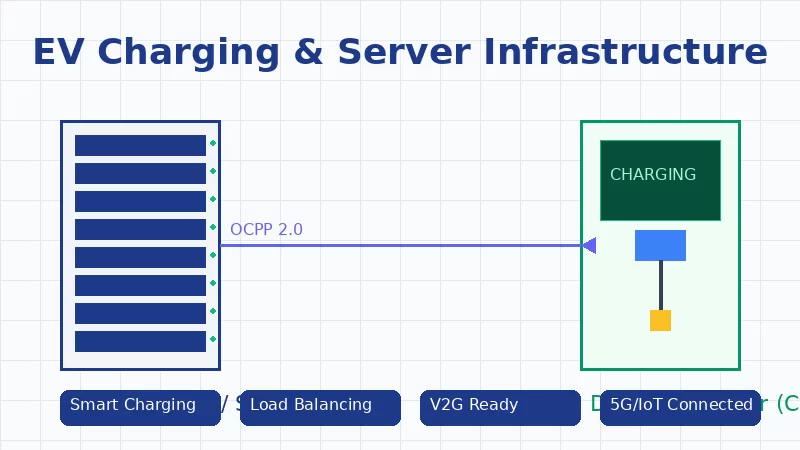
The Network Behind Charging Stations
Modern EV chargers are IoT devices. They require network connectivity for authentication, billing, remote monitoring, and firmware updates. Many use cellular (4G/5G) backhaul, while others connect via WiFi or Ethernet at the installation site.
Load Management and Smart Grid Integration
Charging stations must balance power draw against grid capacity. Smart charging systems use real-time data to distribute available power across multiple vehicles — similar to how load balancers distribute traffic across servers.
OCPP: The Protocol You Should Know
The Open Charge Point Protocol (OCPP) is the standard communication protocol between charging stations and central management systems. If you work with IoT or fleet management, understanding OCPP is increasingly valuable.
Data Center Parallels
Large charging hubs face the same challenges as data centers: power redundancy, cooling, physical security, and uptime guarantees. The skills of a server administrator translate directly to managing charging infrastructure.
Future Outlook
Vehicle-to-grid (V2G) technology will turn EVs into distributed energy storage. This requires sophisticated server-side coordination — another area where IT expertise will be essential.



Leave your response!